Big Cat Territory: Reading the Riverine Edge
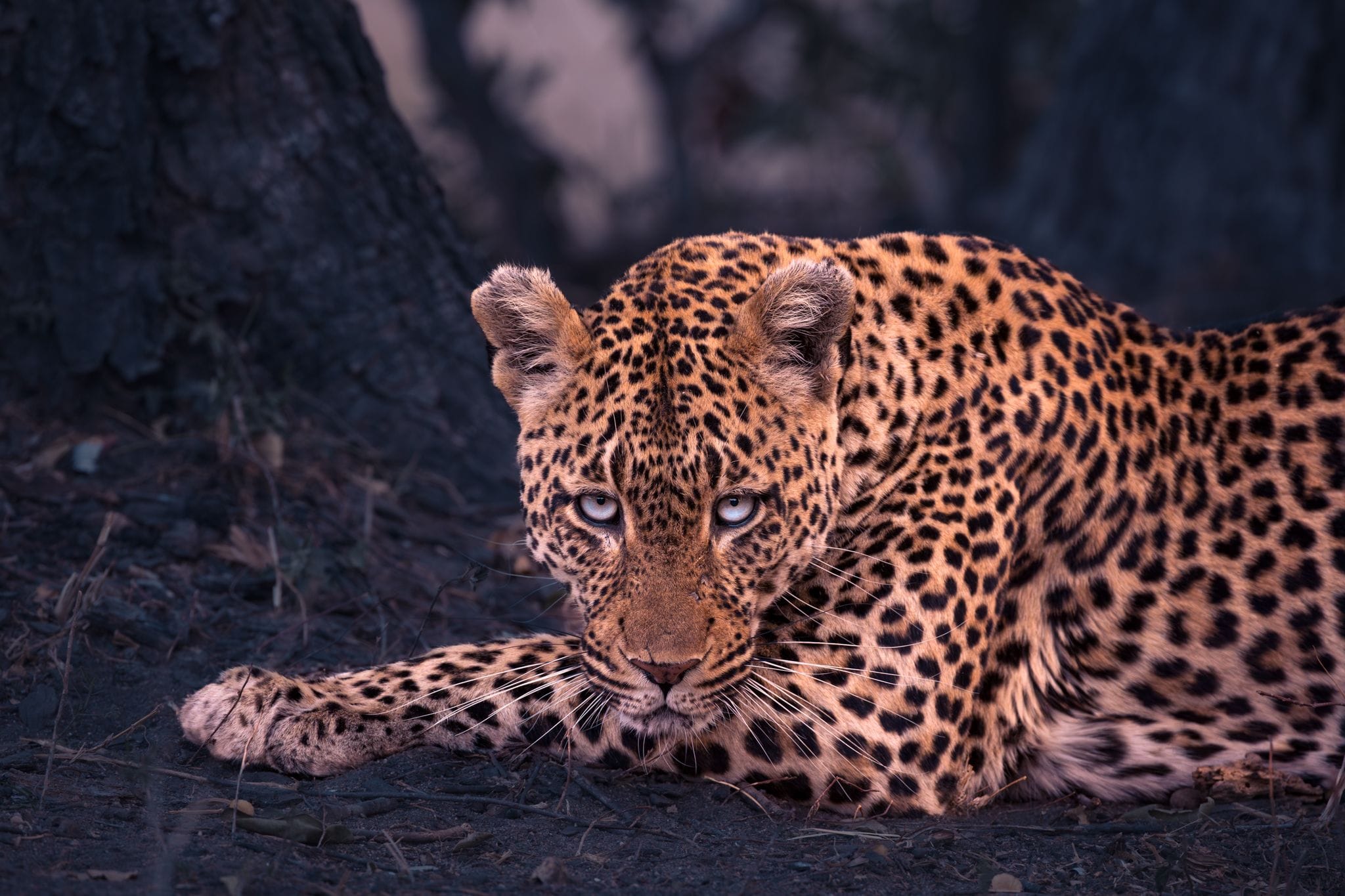
Why MalaMala Game Reserve is leopard country
MalaMala Game Reserve occupies one of the most significant leopard-viewing positions in the wider Sabi Sand region of the Greater Kruger system. Its reputation has been earned through the hard logic of place: a protected landscape of unusual scale, a long relationship with the Sand River, and generations of guides who have learned to read the reserve at the level of sight, sound, wind, habit and mood. In leopard country, beauty may draw the eye, but structure explains the sighting.
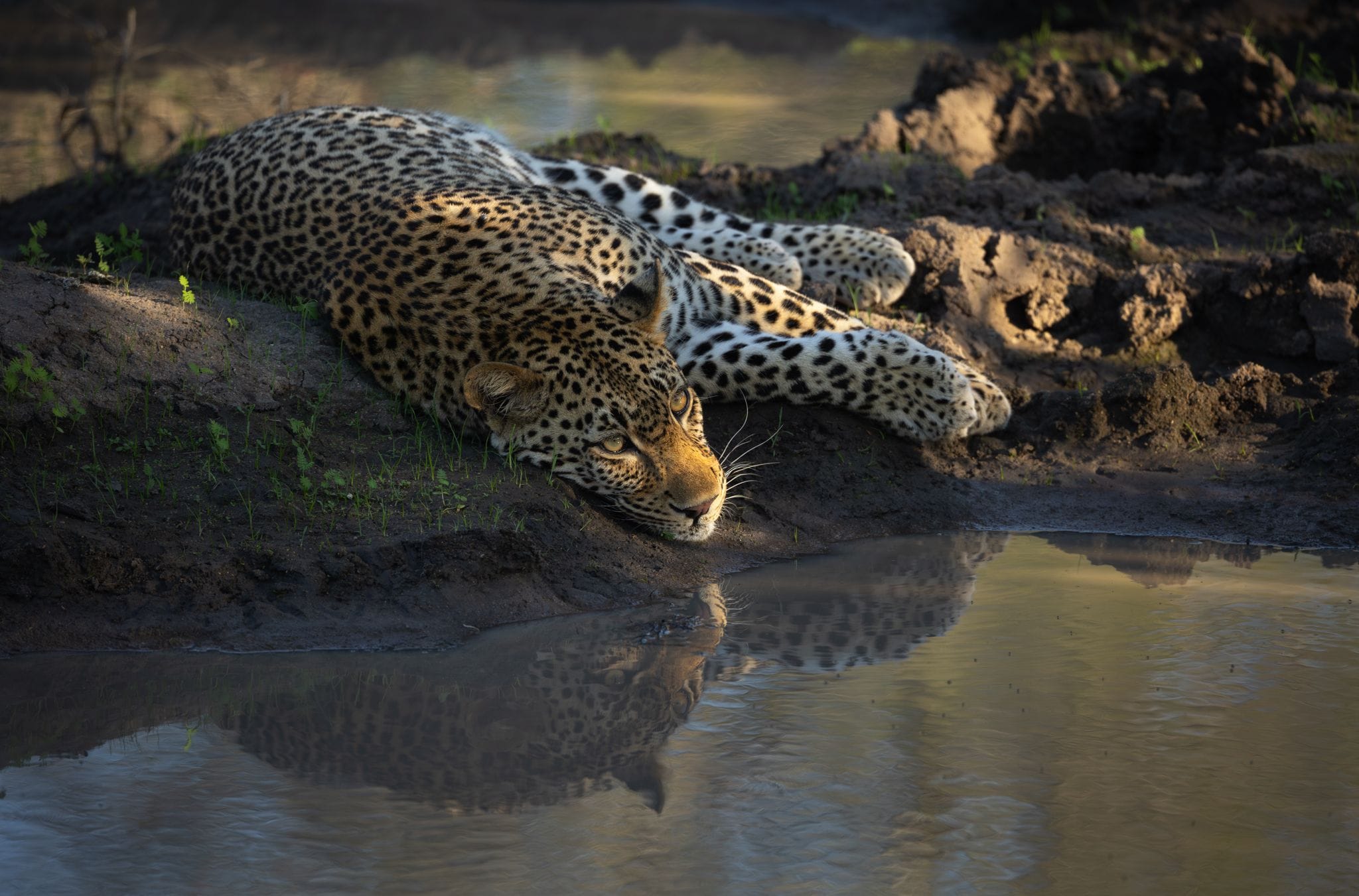
The Sand River is the organising force. Along the Tengile MalaMala Collection, 27 kilometres of Sand River frontage create a sustained line of ecological activity, where water, shade, browse and movement gather across distance rather than around a single point. The river is more than scenery. It shapes where animals feed, where they rest, where they cross, and how predators choose to position themselves. In a dry Lowveld landscape, permanent water changes the daily map for everything from impala and nyala to baboons, squirrels, birds, hyenas, lions and the leopard itself.
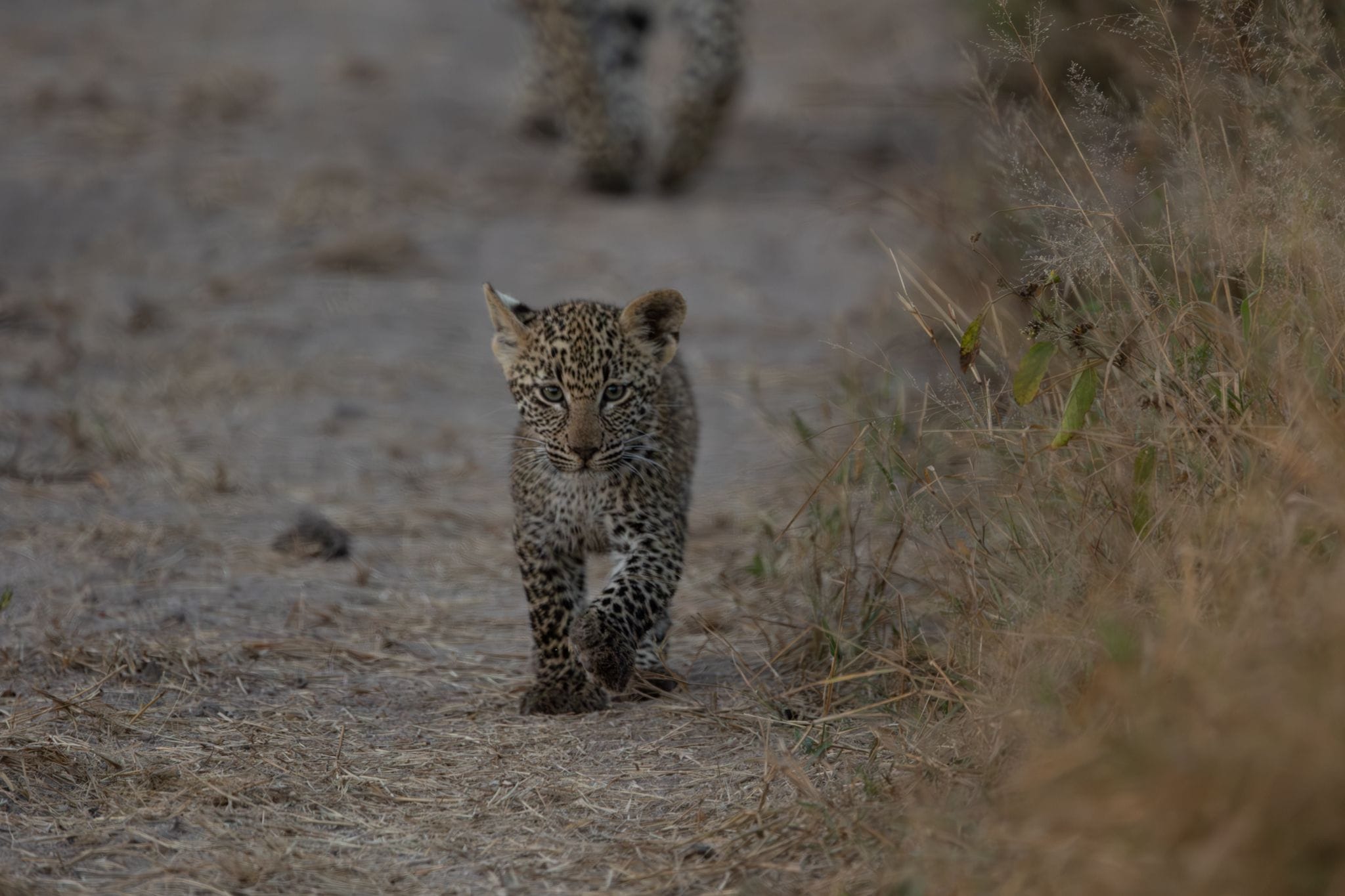
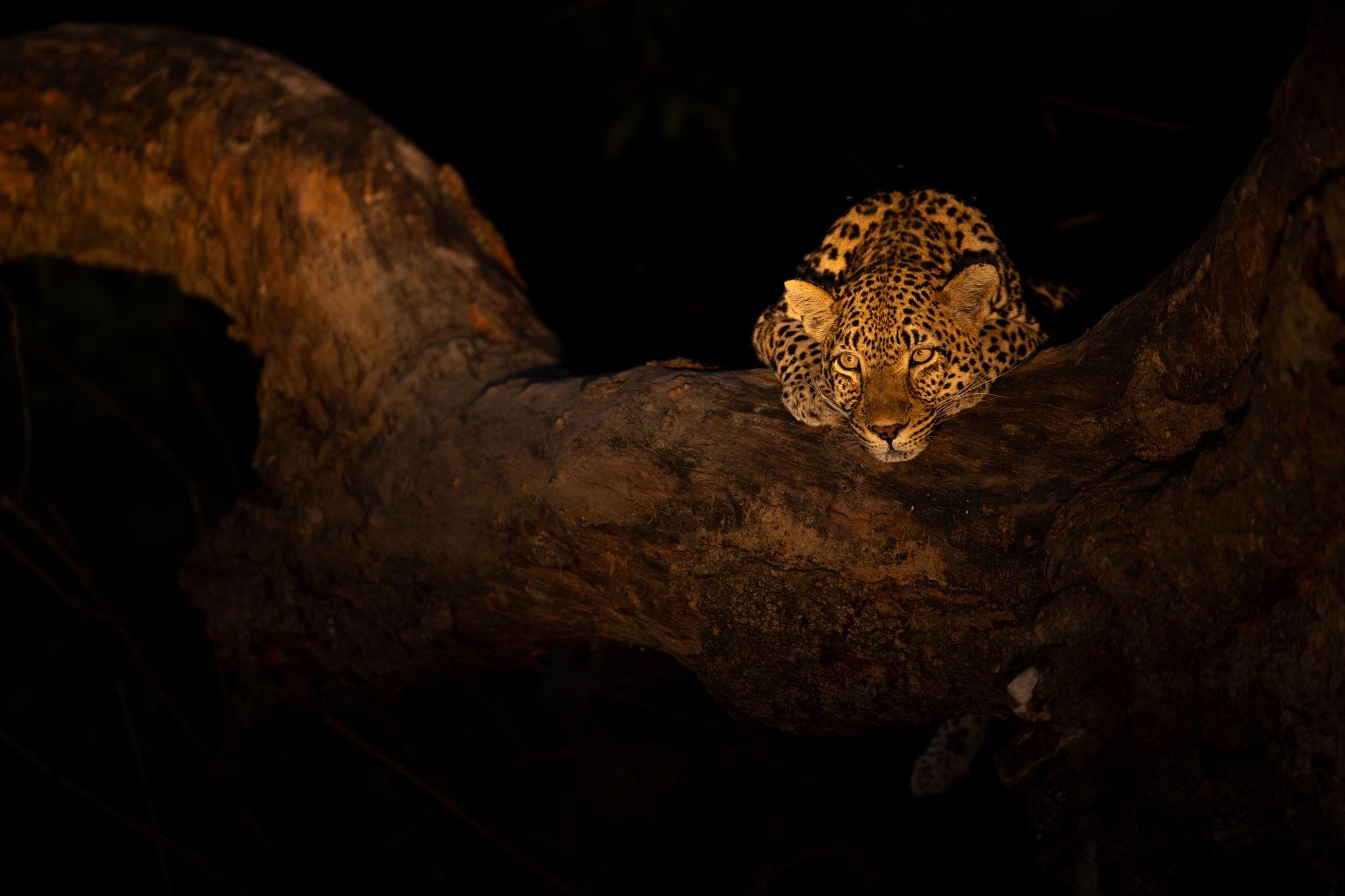
Leopards are specialists in opportunity. They favour places where cover and access sit close together, and riverine country gives them this with extraordinary efficiency. Open floodplain offers visibility. Thicket offers concealment. Drainage lines provide secretive passage. Large trees become refuge, pantry, watchtower and insurance against hyena pressure. The leopard’s genius lies in making these elements feel seamless. One moment it is a shape at the edge of the shade, the next it has dissolved into leaf shadow, deadfall and bark.
This is why the riverine edge matters so much. It is the meeting place between what can be seen and what can be used. A hunting leopard may hold just inside cover, watching prey feed in the open, waiting for wind, distance and distraction to align. A territorial male may walk a sand road with quiet authority, pausing at prominent bushes, drainage crossings and scent posts that form part of his route. A female with cubs often writes a more private map, favouring thicker cover, shorter loops and safer ground where escape routes are close and denning options remain protected. To an untrained eye, each scene may read simply as “a leopard in the bush”. To a guide, these are entirely different chapters.
The first page is often the road. Sand records detail with great honesty, although never without context. A fresh leopard track pressed into damp ground carries crisp edges, raised grains and weight. A track softened by sun, breeze, ants, passing vehicles or the restless feet of francolin speaks of elapsed time. Size can suggest gender, with a mature male usually leaving a broader, heavier impression than a female, yet substrate can deceive, so the best guides read shape together with stride, pressure, direction and surrounding signs. A purposeful line may suggest travel. A looping line that works the verge may suggest hunting. A track that suddenly deepens on one side may reveal a pause, a turn, a moment of listening.
At this level, guiding becomes less a search than an act of reconstruction. A toe scuff may suggest a slower walk. A change in stride can suggest hesitation or renewed intent. A line that leaves the road toward a drainage crossing may fit with an animal moving between known parts of its territory. Broken ground may erase the print, but a skilled guide carries the leopard forward in the mind, using likely cover, wind direction, prey behaviour and terrain to predict where the next sign should appear.
Sound adds another layer. In riverine leopard country, alarm calls are a living intelligence network, passed from eye to eye and throat to throat. Vervet monkeys can be especially valuable when they stare down from a height into dense cover. Tree squirrels may scold with fierce precision from a fixed point. Francolins and guineafowl can explode from the ground when a predator moves too close. Impala may snort, freeze and angle their bodies toward the same patch of shade. Birds may mob, or the busy small sounds of the woodland may suddenly thin into a charged pause.
The art lies in cross-checking. A bird alarm may point to a snake, a genet, an owl, a raptor or a cat. A squirrel may be correct, or merely indignant. Impala may stare because of lion scent carried on the breeze rather than a leopard in front of them. A master guide weighs the call against the spoor, the wind, the time of day, the known animals in the area and the shape of the habitat. Certainty comes slowly, then all at once.
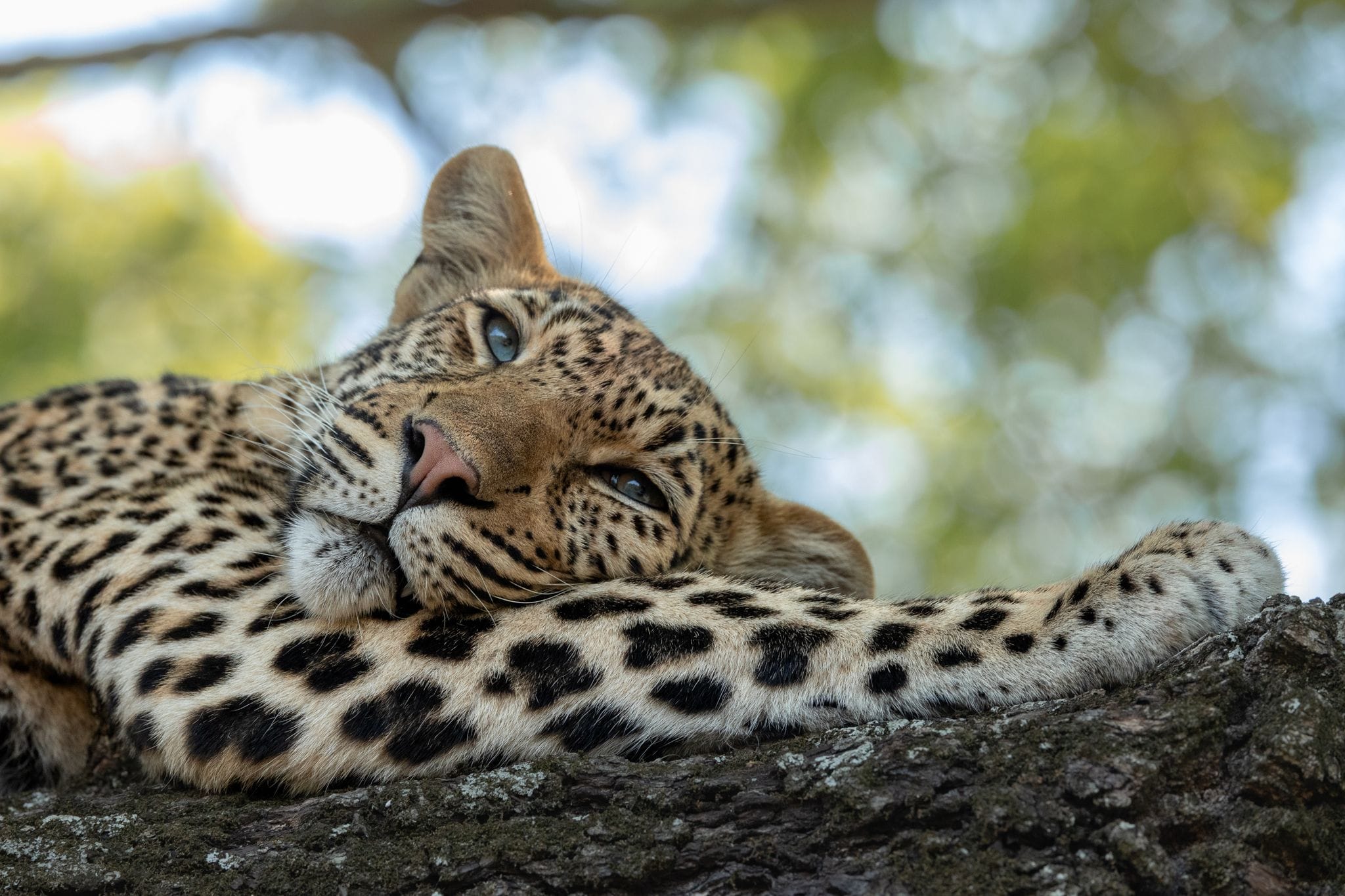
When the sighting finally appears, it often arrives by degrees. A shadow gains an ear. A horizontal branch reveals a tail. A rosette pattern that seemed part of the bark becomes fur. The leopard itself may remain completely composed, as if the entire exercise has been one of human perception catching up with an animal that belonged there all along.
This is the fascination of MalaMala leopard country. The Sand River creates the conditions, the reserve’s long stewardship protects the rhythm, and the guiding culture turns sign into story with restraint and precision. The animal remains wild, the landscape remains in charge, and the guest is granted the rare privilege of seeing a leopard in the kind of untamed habitat it would choose for itself.
Share
Up Next
February 24, 2026