Preserving Life's Balance
For decades, our primary goal has been to protect the natural balance and biodiversity of this extraordinary wilderness for all to prosper.
Our focus
As custodians of this rare piece of Africa, preserving and protecting its environmental integrity has always been at the core of our existence and with the ever-present threat of encroaching urbanisation, today more than ever before, it is our duty to support the biodiversity of our reserves.
This land remains intact because it is actively protected. Conservation here is practical and ongoing, with sustained investment in habitat management, anti-poaching operations and ecological monitoring that supports long-term wildlife sustainability.
An important focus of our ethos is that we continue to celebrate the cultural heritage of the warm-hearted and hospitable Shangaan people, with whom we share a partnership.
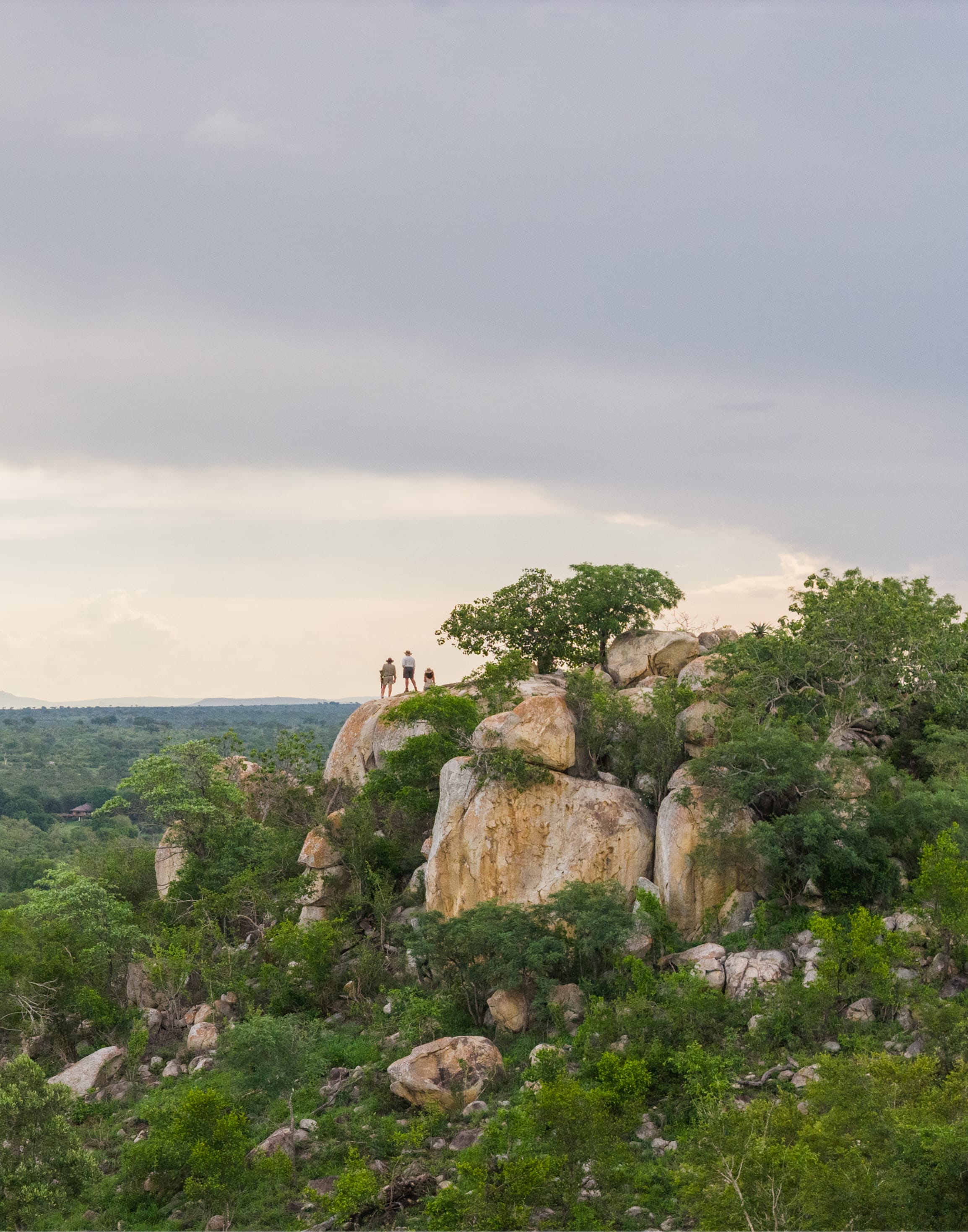
Our relationship with the natural world and the people who inhabit this land, both permanently and temporarily, is of paramount importance. We epitomise an eco-destination that upholds its vision to ensure that our people prosper, knowing that symbiotically when they do, so too will our wilderness and wildlife.
All our rangers are expertly trained, with accredited field guide qualifications. Most have studied the natural sciences at university and are specialists in several fields such as Ornithology, Entomology and Zoology. Strict protocols when viewing animals en sure they are relaxed and behave naturally.
Our Initiatives
1
Anti-poaching
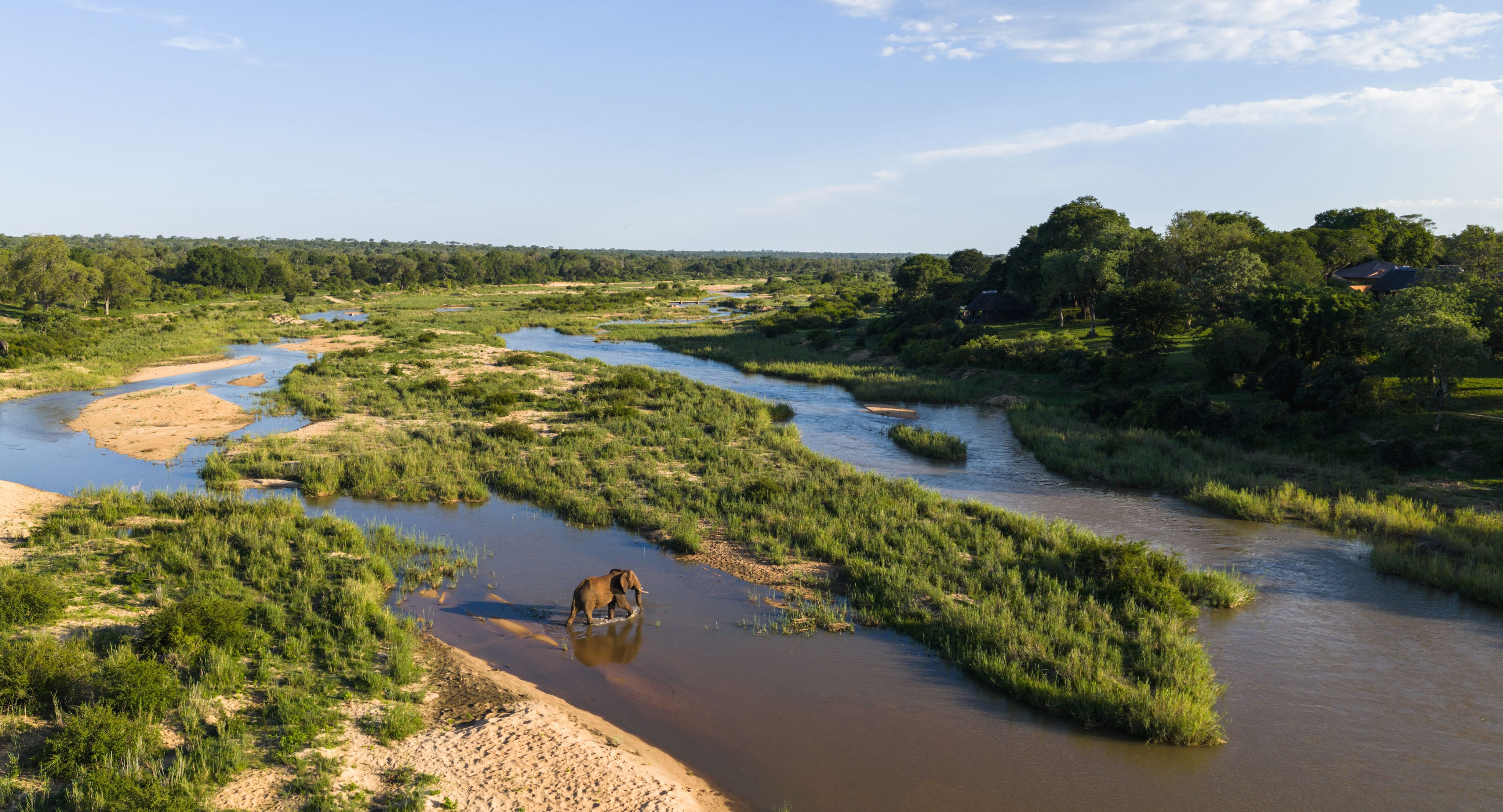
The position of our property, which shares an unfenced boundary with close-on five million acres of the Kruger National Park, gives wildlife the ability to move around freely in an unconstrained environment.
However, although we are strategically wedged between two sizable, protected areas which greatly reduces human access to our reserve, our rhino population has not remained unscathed and the threat of incursion by poachers has become our greatest conservation challenge to date.
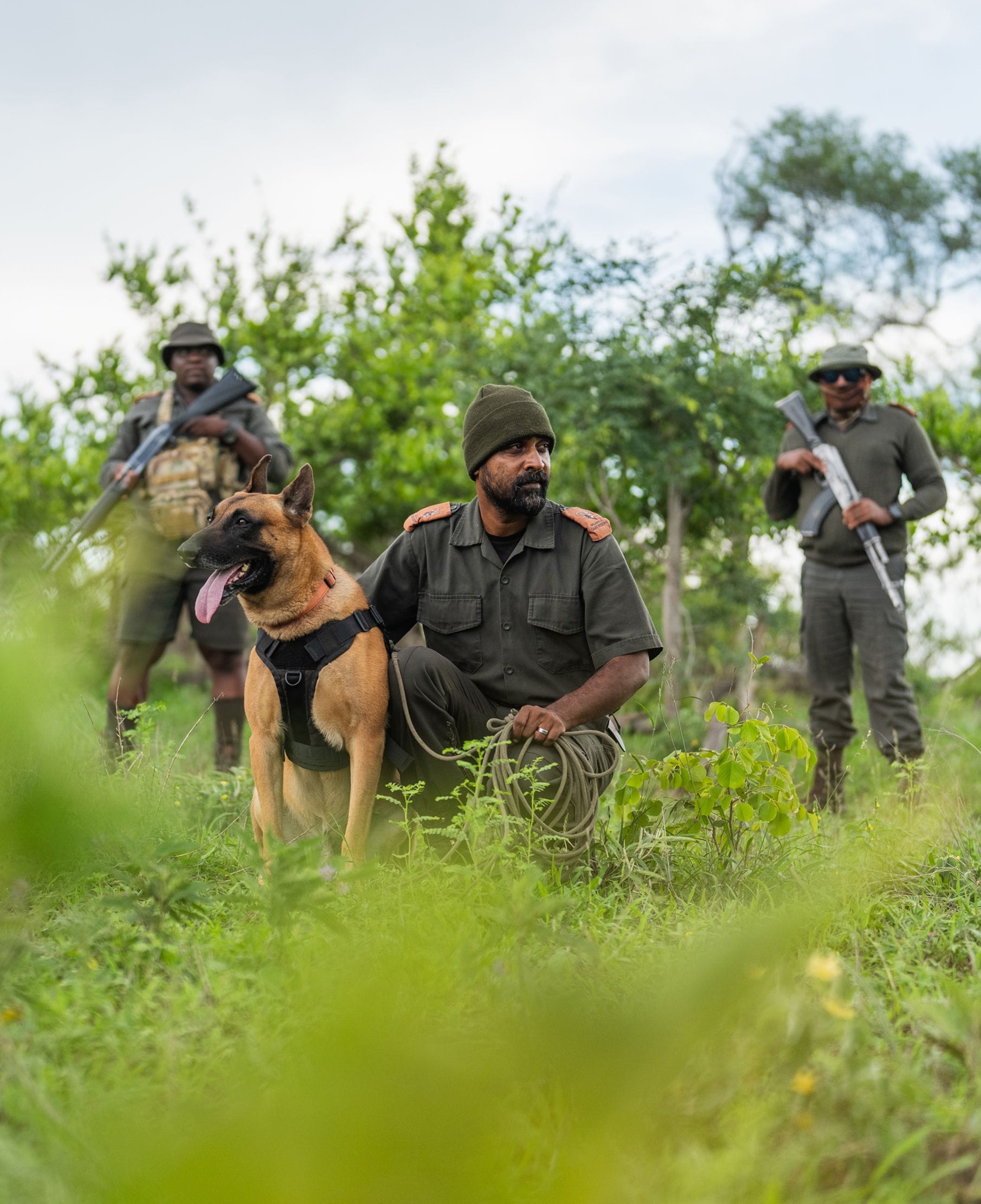
Consequently, we spend millions of Rands in the fight against this scourge. We are continually bolstering our prevention capacity, having significantly increased our team of skilled Field Rangers, Canine Capacity and multiple high-tech cameras with SMS functionality for real-time poacher identification.
2
Research and Monitoring
Every year, we conduct numerous research projects, mostly designed to gauge the impact of our environmental management practices on the habitat.
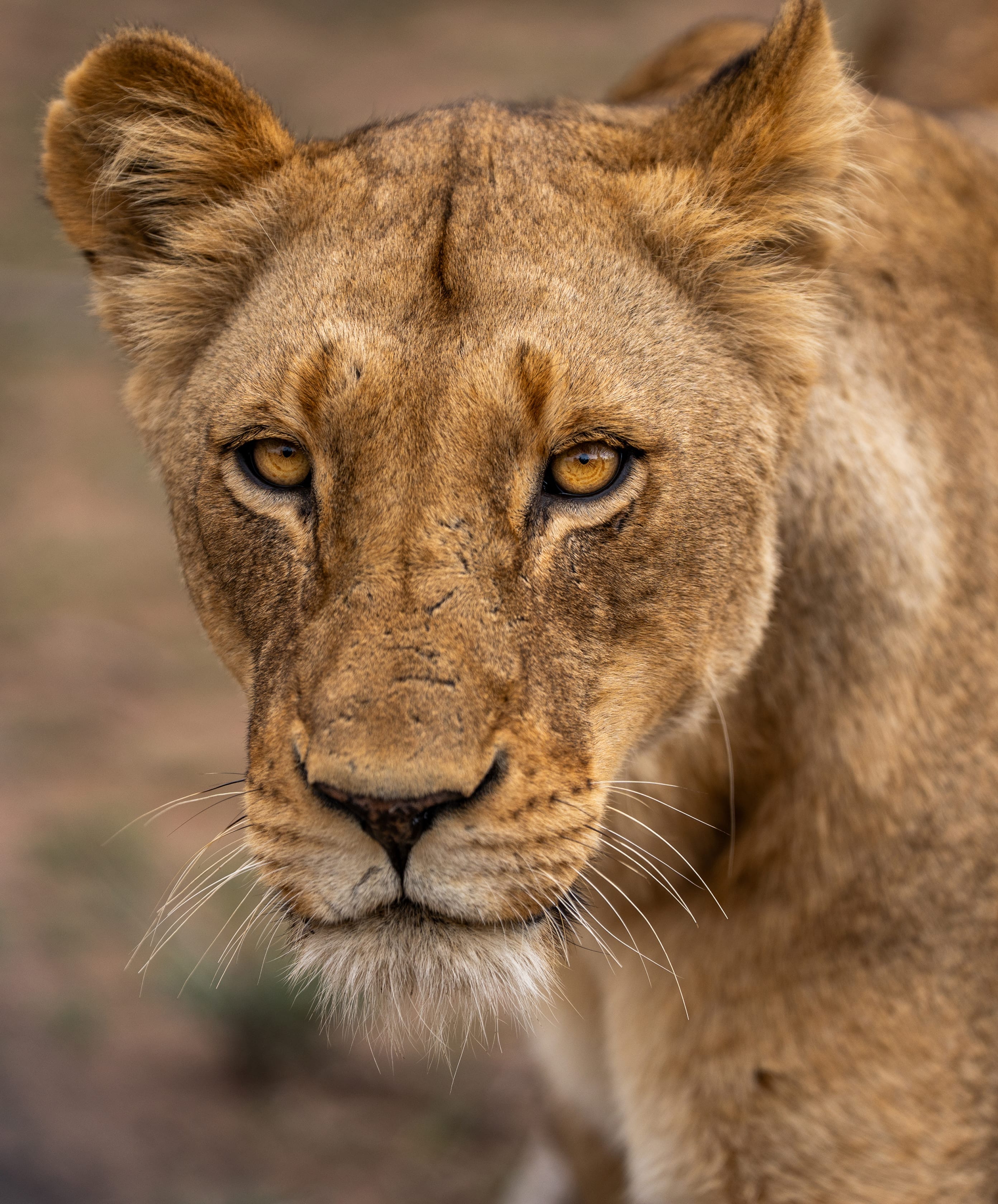
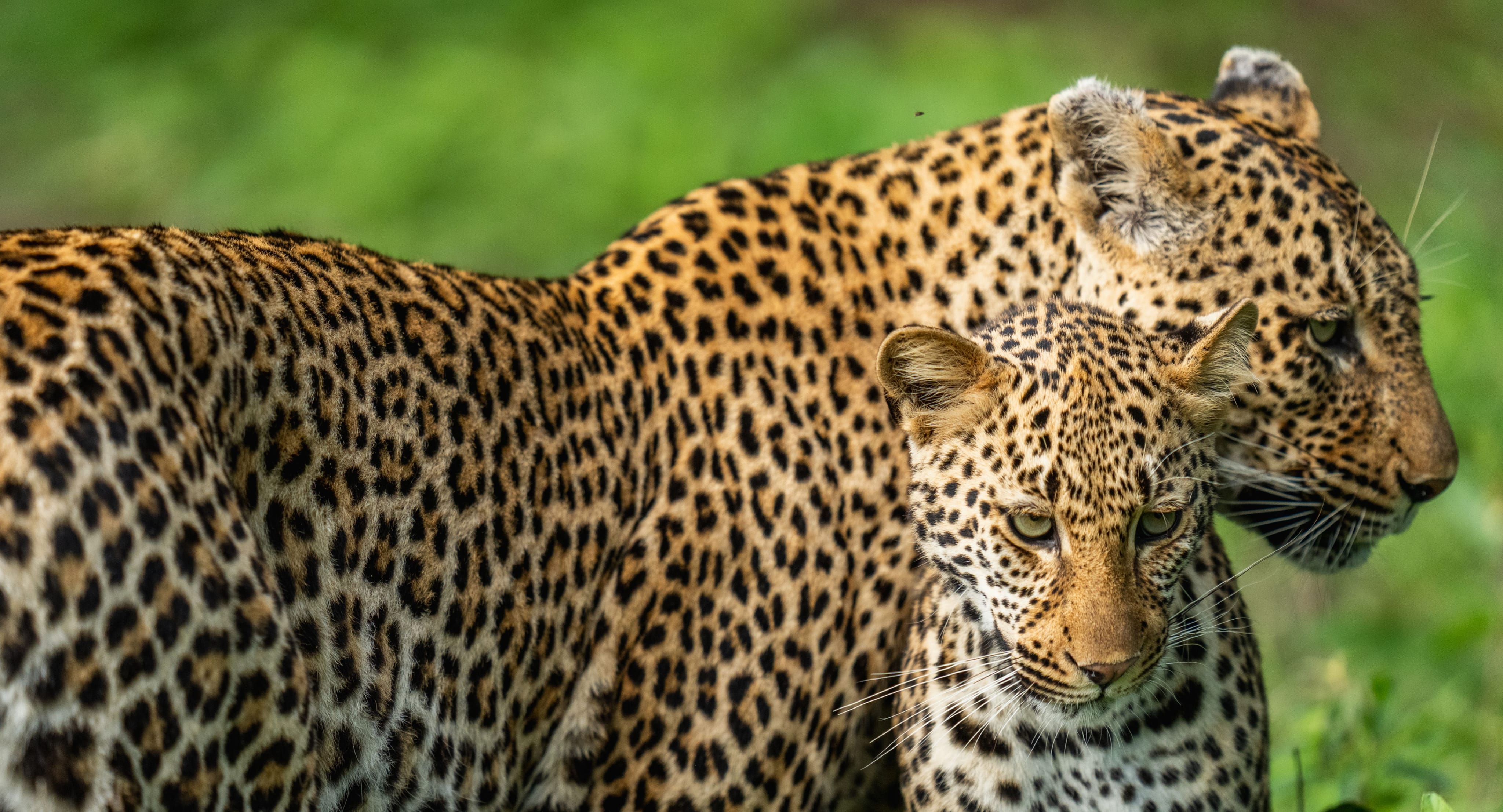
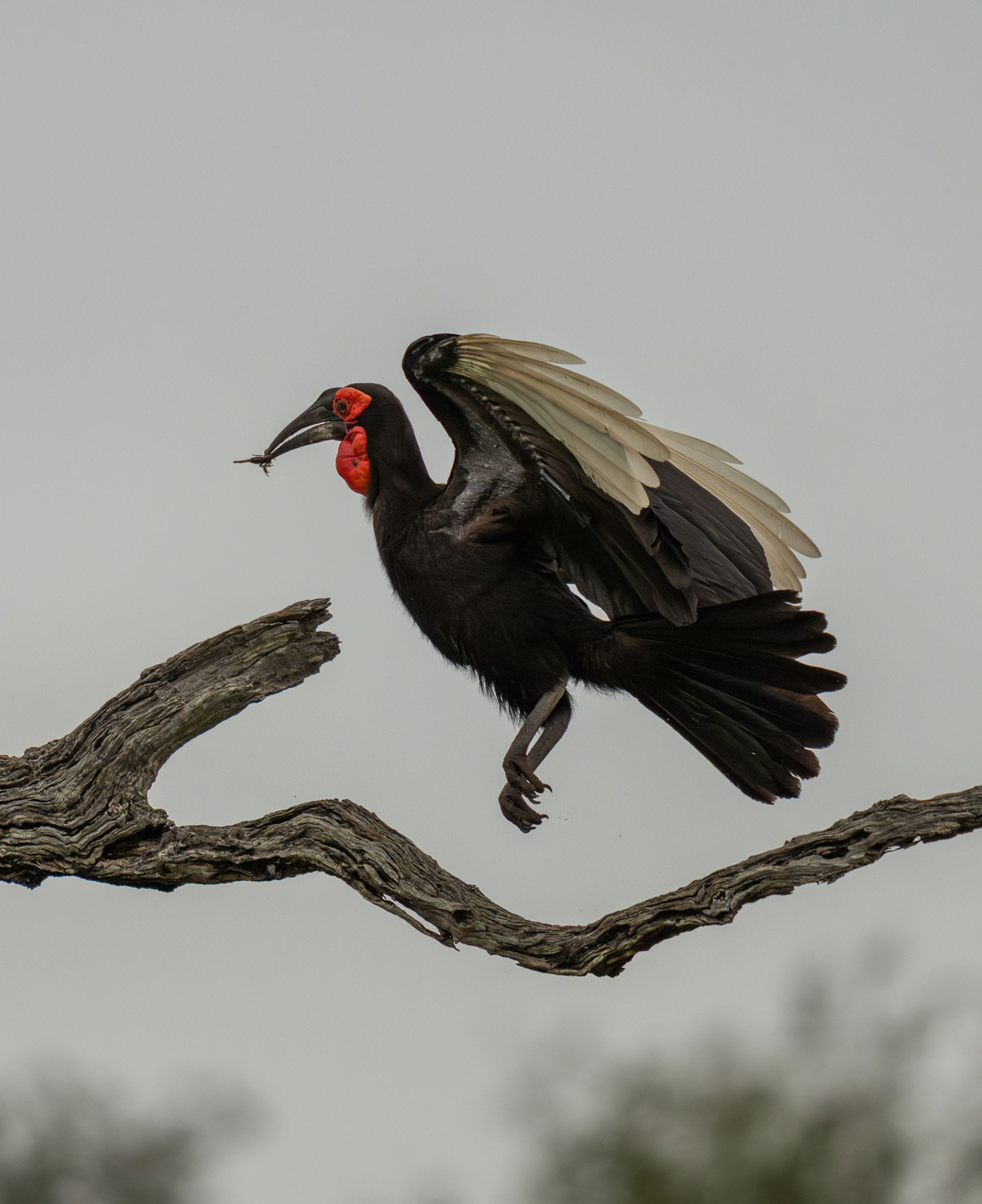
We work on detailed vegetation monitoring programs and keep track of our large predator populations using methods such as camera traps and guide monitoring. The latter – and our Mabula Ground Hornbill project – are undertaken in association with Panthera, an independent non-profit worldwide organisation. This enables us to keep a close watch on our endangered Southern Ground Hornbill population.
3
Habitat and Wildlife Management
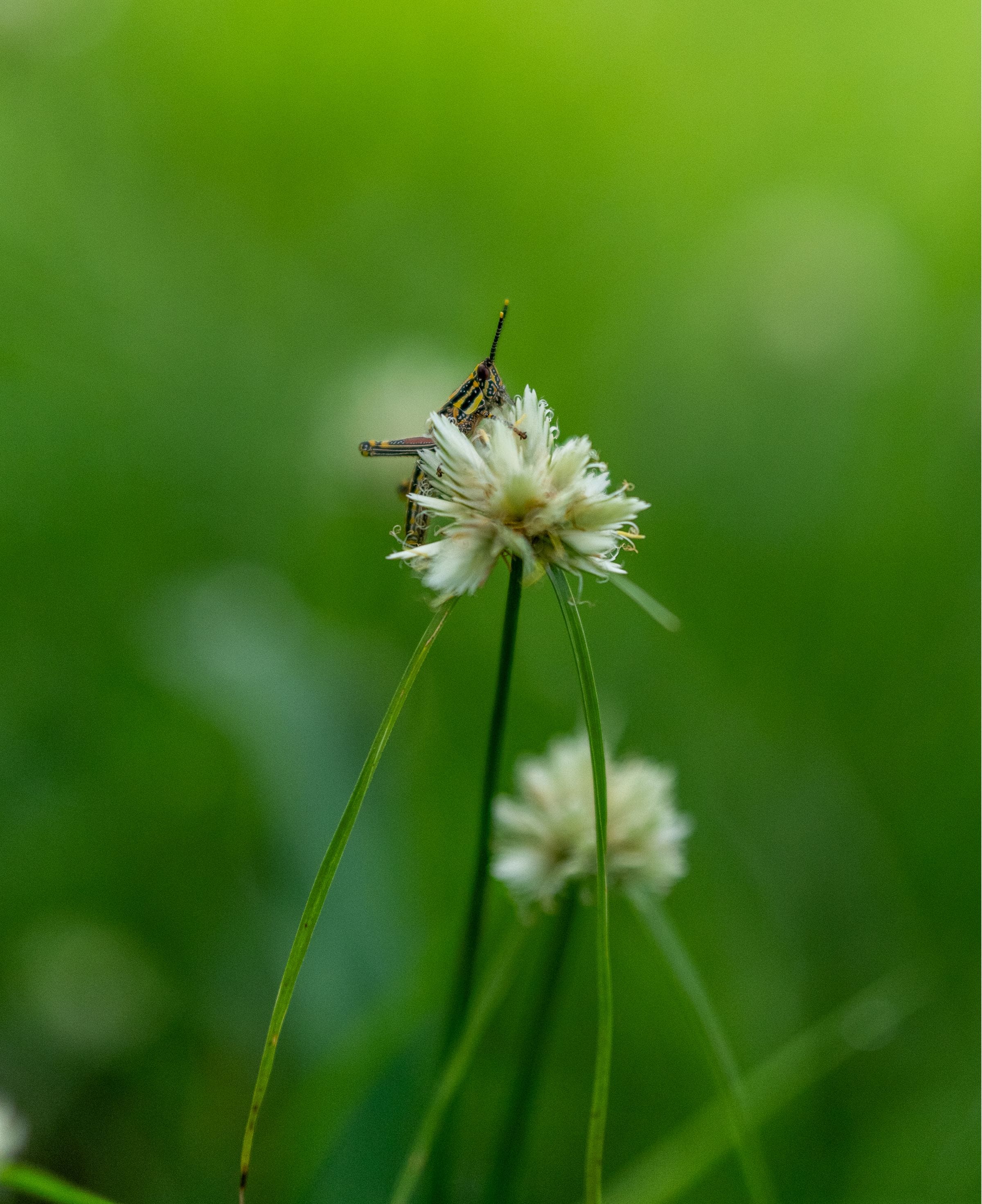
Our projects are critical to the protection, wellbeing and sustainability of the property. For example, we conduct a bush-thinning programme for the containment of several invasive species including ‘woody plants’, which, due to climate change, cause dense thickets to flourish on previously semi-open savannah.
On an annual basis, we assist with the rejuvenation of the bush and protection of the property through a process of controlled burns and strategic firebreaks. Road maintenance and erosion control programs are ongoing as maintenance functions for the property.
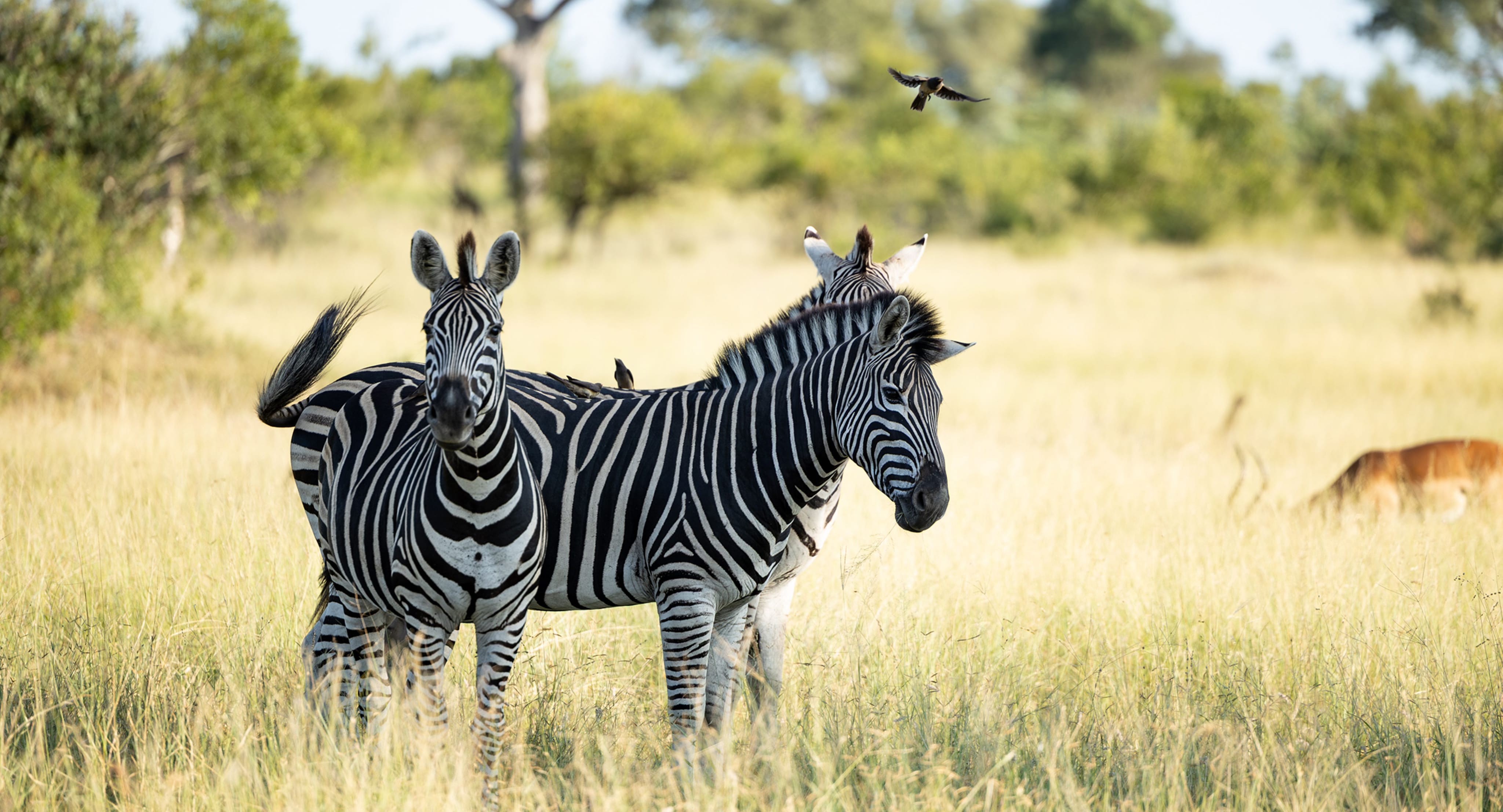
Sabi Sand Nature Reserve (SSNR) and MalaMala Game Reserve have a non-intervention policy when it comes to treating wildlife, except in the case of a man-made injury such as snaring, or in the case of a critically endangered animal. Our annual aerial game count is a vital management tool, enabling us to track the changing trends in our wildlife population and distribution.
MalaMala Game Reserve Conservation
MalaMala Game Reserve funds conservation efforts through its annual budget and the MalaMala Foundation.
Due to our intense focus on environmental policies over a long period, the land has remained pristine and continues to attract international photojournalists and film-makers alike who have made this their wildlife destination of choice for many years.
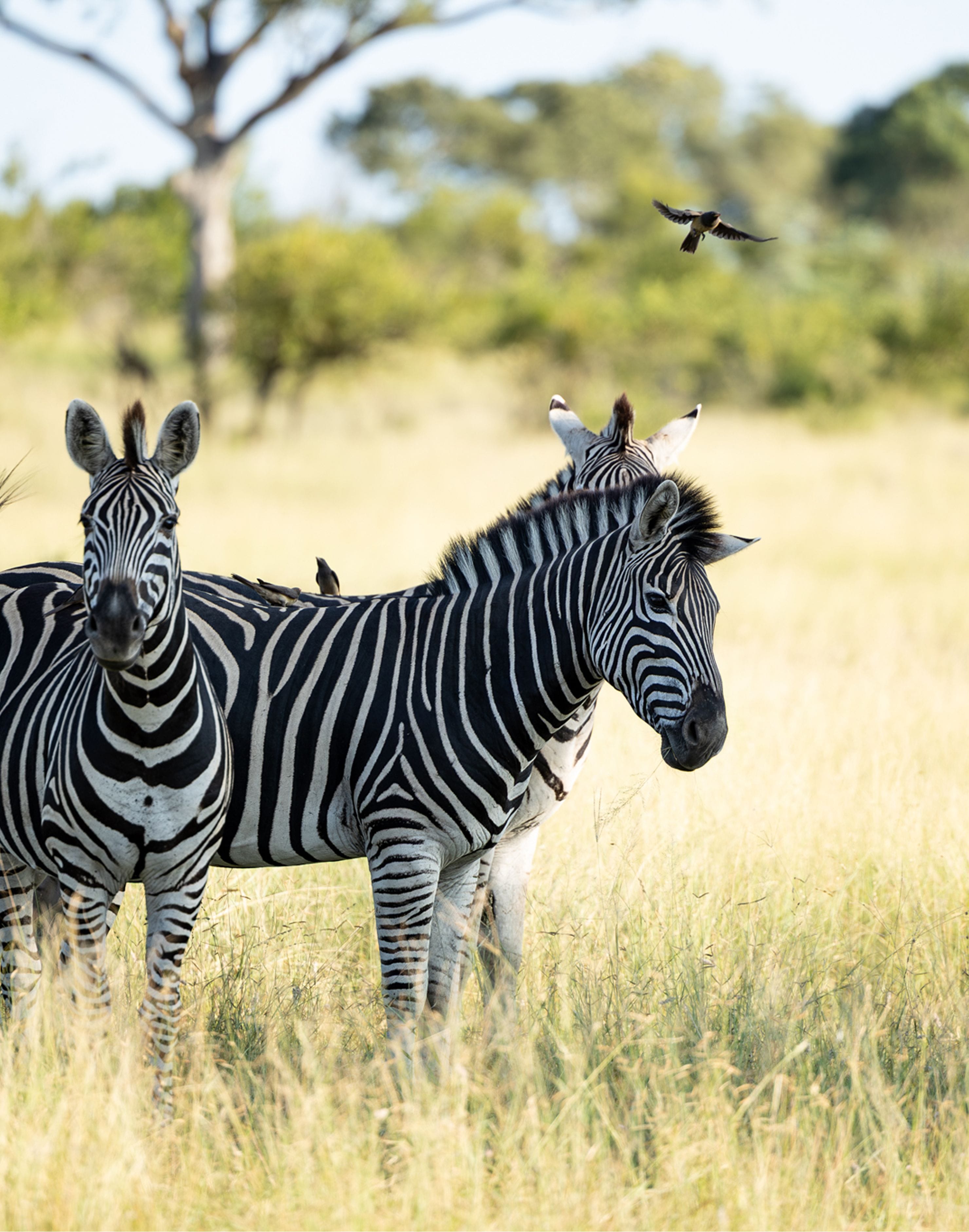
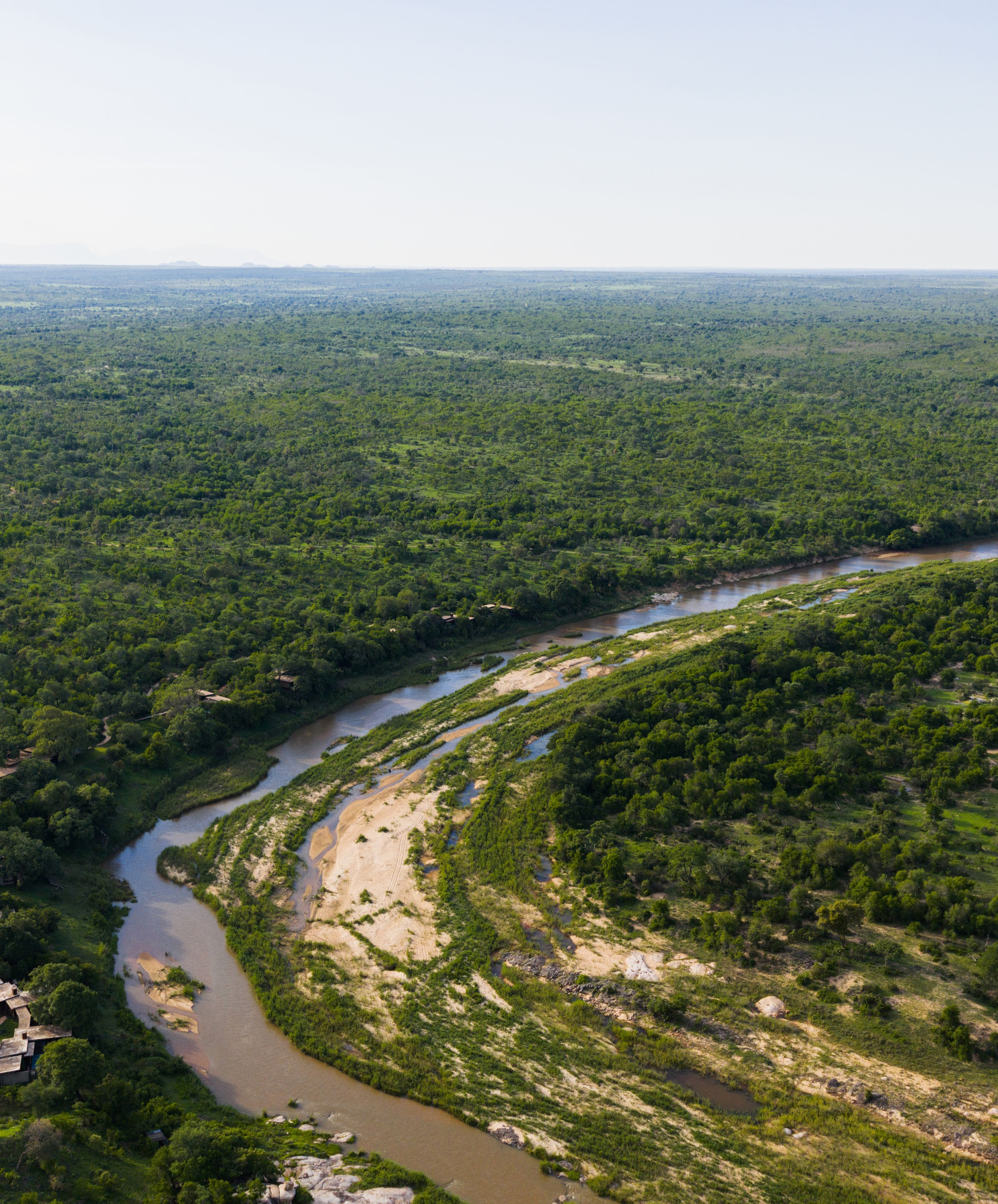
This approach has manifested a proliferation of tertiary grasses which attract the herbivores and in turn, draws in the predators. The land to the East of the river is void of human habitation, access roads, electricity pylons and telephone poles; and is left exclusively to the wildlife for over sixteen hours a day.
Plan a trip
Our dedicated travel specialists craft every journey with care, shaping seamless experiences that reflect the spirit of our brand from the first conversation to your return home.
Connect with our team and let us design a personalised itinerary tailored to your travel style, interests and timing. Your next unforgettable experience starts here.